Lakeshore Heating & Cooling knows winter brings freezing temperatures, strong winds, and extended heating cycles that place heavy demands on home comfort systems. Even well-maintained equipment must work harder during long periods of cold weather, which can increase energy consumption and operating costs. Fortunately, homeowners can take practical steps to improve heating efficiency, reduce unnecessary strain on equipment, and maintain steady indoor comfort all season long.
Across Lakeshore, Ontario, residents depend on reliable heating to stay comfortable through changing winter conditions. By combining preventative maintenance, smart energy habits, and simple home improvements, it’s possible to keep heating systems running efficiently while controlling costs.
Schedule Professional Heating Maintenance
Routine maintenance is one of the most important steps in maximizing winter efficiency. Heating systems operate for long stretches during cold months, and even minor performance issues can worsen quickly under heavy use.
A professional service appointment typically includes cleaning internal components, checking system airflow, inspecting safety controls, testing thermostat accuracy, and confirming proper system operation. These steps help ensure the equipment runs smoothly and efficiently throughout the season.
Preventative maintenance also allows technicians to identify worn parts or developing problems before they lead to unexpected breakdowns. Addressing small issues early can prevent costly emergency repairs when temperatures drop the most.
Seal Drafts and Improve Insulation
Heat loss is one of the biggest contributors to high winter energy bills. Even small air leaks can allow warm indoor air to escape while cold outdoor air enters, forcing heating systems to run longer and work harder.
Improving insulation and sealing gaps helps keep heat where it belongs — inside your home. Common areas where air leaks occur include window frames, door seals, attic openings, and basement wall penetrations. Weatherstripping, caulking, and proper insulation can significantly reduce heat loss and improve overall comfort.
When warm air stays contained, heating systems operate more efficiently and maintain consistent indoor temperatures with less effort.
Replace Air Filters Regularly
Air filters play a vital role in system efficiency. Over time, filters collect dust, pet hair, and airborne debris. When filters become clogged, airflow is restricted, making it harder for the system to distribute warm air throughout the home.
Reduced airflow forces equipment to run longer cycles, increasing energy use and placing additional strain on internal components. Replacing filters every one to three months — or more often in homes with pets — helps maintain proper airflow and efficient heating performance.
Clean filters also contribute to better indoor air quality during months when windows remain closed and indoor air circulates continuously.
Use Smart Temperature Control
Heating efficiency isn’t just about equipment performance — it also depends on how temperature settings are managed. Lowering the thermostat slightly when sleeping or away from home can significantly reduce heating demand without sacrificing comfort.
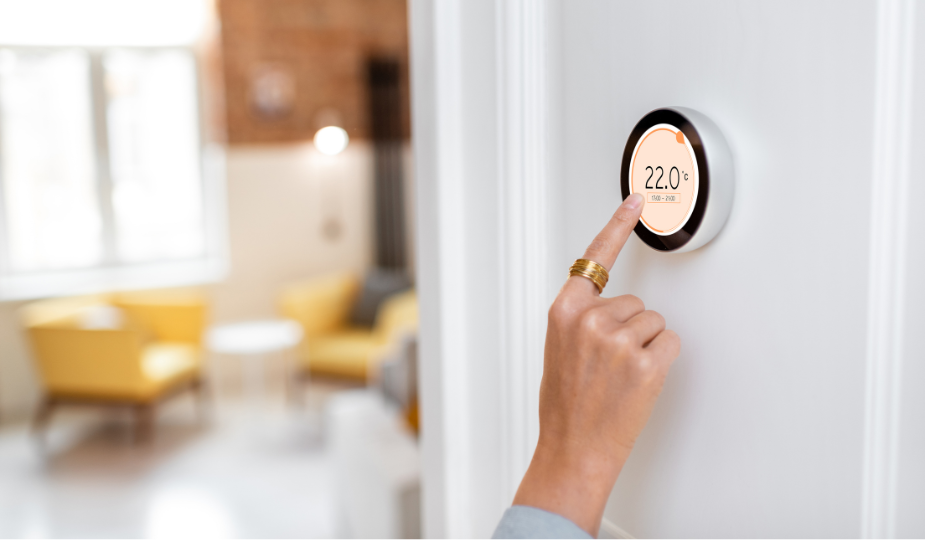
Programmable and smart thermostats make temperature management simple. These devices automatically adjust settings based on daily schedules or occupancy, helping homeowners maintain comfort while minimizing unnecessary energy use.
Even small adjustments of just a few degrees can result in noticeable savings over the course of a long winter.
Keep Vents and Registers Clear
Proper airflow is essential for even heating throughout the home. Blocked or covered vents prevent warm air from circulating freely, creating uneven temperatures and forcing the system to work harder.
Furniture, rugs, and other household items should never obstruct vents or registers. Keeping these areas clear allows air to flow properly and helps maintain balanced heating in every room.
Maintain Balanced Indoor Humidity
Cold winter air is naturally dry, and low humidity levels can make indoor spaces feel cooler than they actually are. When humidity is balanced, air retains heat more effectively, allowing homeowners to feel comfortable at slightly lower thermostat settings.
Whole-home humidifiers can help maintain proper moisture levels, improving comfort while reducing heating demand. Balanced humidity also protects wood furnishings and helps reduce dry air discomfort.
Consider Upgrading Aging Equipment
Heating systems gradually lose efficiency as they age. Older equipment often consumes more energy to produce the same level of warmth as modern high-efficiency models.
If your system is more than 15 to 20 years old, upgrading may significantly reduce long-term operating costs. Newer systems offer advanced technology, improved energy ratings, and more consistent temperature control. Professional guidance from Lakeshore Heating & Cooling can help determine whether an upgrade is the most cost-effective option.
Efficiency Supports Lasting Comfort
Maximizing winter efficiency involves more than one simple fix. It requires a combination of regular maintenance, proper airflow, insulation improvements, and smart temperature management.
By reducing heat loss, supporting system performance, and maintaining balanced indoor conditions, homeowners can stay comfortable while keeping energy costs under control. Consistent care not only improves efficiency today but also helps ensure reliable heating performance for many winters to come.