
Share the property details
Send the location, equipment, symptoms or planned changes, and who can approve the work. Existing labels and service records help define the request.
Now part of the
 family
Request heating, cooling or maintenance for your Lakeshore property. Choose the work and describe the equipment or symptoms. Coverage, pricing and appointments require confirmation.
Is something not working, or are you planning an installation or maintenance?
Choose the work you need and describe what changed, when it began, and which equipment is involved. For a planned project, include the outcome you want and any access or scheduling constraints.
View furnace repair services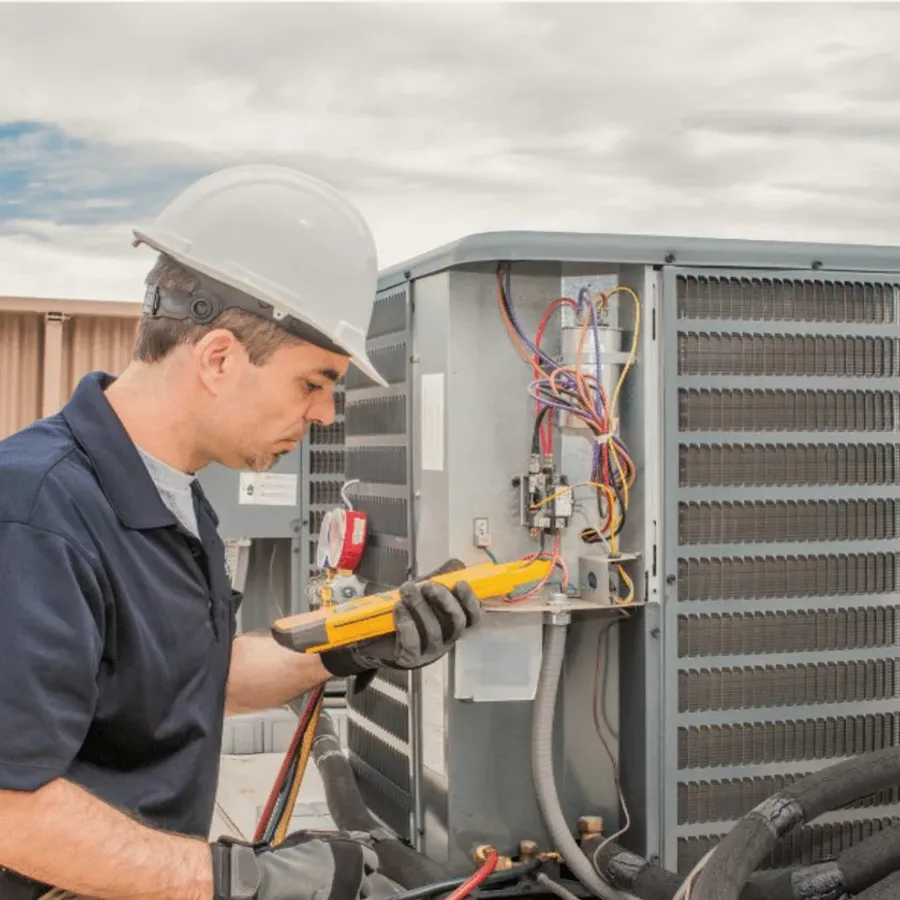
Describe the work first, then confirm the people, timing, and terms before making a commitment.
Send the location, equipment, symptoms or planned changes, and who can approve the work. Existing labels and service records help define the request.
The enquiry team reviews the request and shares it with a relevant service provider for follow-up using your contact details. Confirm contractor coverage, qualifications and how the property will be assessed before agreeing to an appointment.
Ask which findings support the work, what is included or excluded, and how completion will be checked. Agree on pricing and terms with the contractor.
Mention an offer in your request and we will confirm your eligibility with your quote.
Annual maintenance plans start at $120 plus tax for a furnace or an air conditioner, or $210 plus tax for both.
Plan payment is due before the maintenance appointment. We confirm plan coverage, pricing and availability before you book.
Ask about financing when you request your quote.
We confirm rates, terms and eligibility before you commit.
Start with the installed equipment and its manufacturer instructions. Maintenance needs depend on the appliance and its use. Keep service records and ask a qualified contractor which seasonal inspections apply.
When requesting work for a property in Lakeshore or nearby Windsor, LaSalle and Tecumseh, identify the work that happens before and after duct or electrical changes so a furnace fault is assessed in the correct construction context. Ask how equipment will be protected during dusty work and which operating checks follow completion. Keep required access open rather than plan the mechanical-room finish independently.
Note when the problem began, whether the furnace starts at all, how long it runs before stopping, and which rooms are affected. A service assessment can compare those observations with burner or ignition operation, airflow, control signals, and fault indications. For gas, propane, or oil equipment, the fuel and furnace model help determine which components and operating sequence need evaluation.
A furnace that will not start may have an ignition, fuel-delivery, control, or electrical fault; repeated cycling can instead point to restricted airflow or a limit control interrupting operation. Unusual noise can help distinguish a blower or motor concern from a burner-related sound. Diagnosis should follow the furnace’s operating sequence and safety indications, rather than assume one cause from the symptom alone. Fuel type and model affect the tests required.
Filter condition, return and supply airflow, blower operation, burner condition, thermostat signals, and accessible controls can all inform a repair assessment. These observations matter because poor airflow may contribute to overheating and shutdowns, while a control or ignition fault can prevent heating despite adequate airflow. Maintenance tasks should follow the equipment manufacturer’s instructions and inspection findings. A service visit should distinguish an observed maintenance need from a confirmed failed component.
Repair is a distinct option when testing identifies a correctable fault and the furnace remains suitable for continued operation. Replacement may merit comparison when inspection finds extensive deterioration, recurring failures, or a major component problem. An older single-stage furnace and a newer high-efficiency model have different designs and venting requirements, so age alone does not settle the decision. Review the diagnosed fault, equipment condition, and compatibility of any proposed replacement before choosing.
Share the property location and the work you need so the request can be reviewed.
The configured service area includes these communities. Include your property location so coverage and appointment availability can be confirmed.