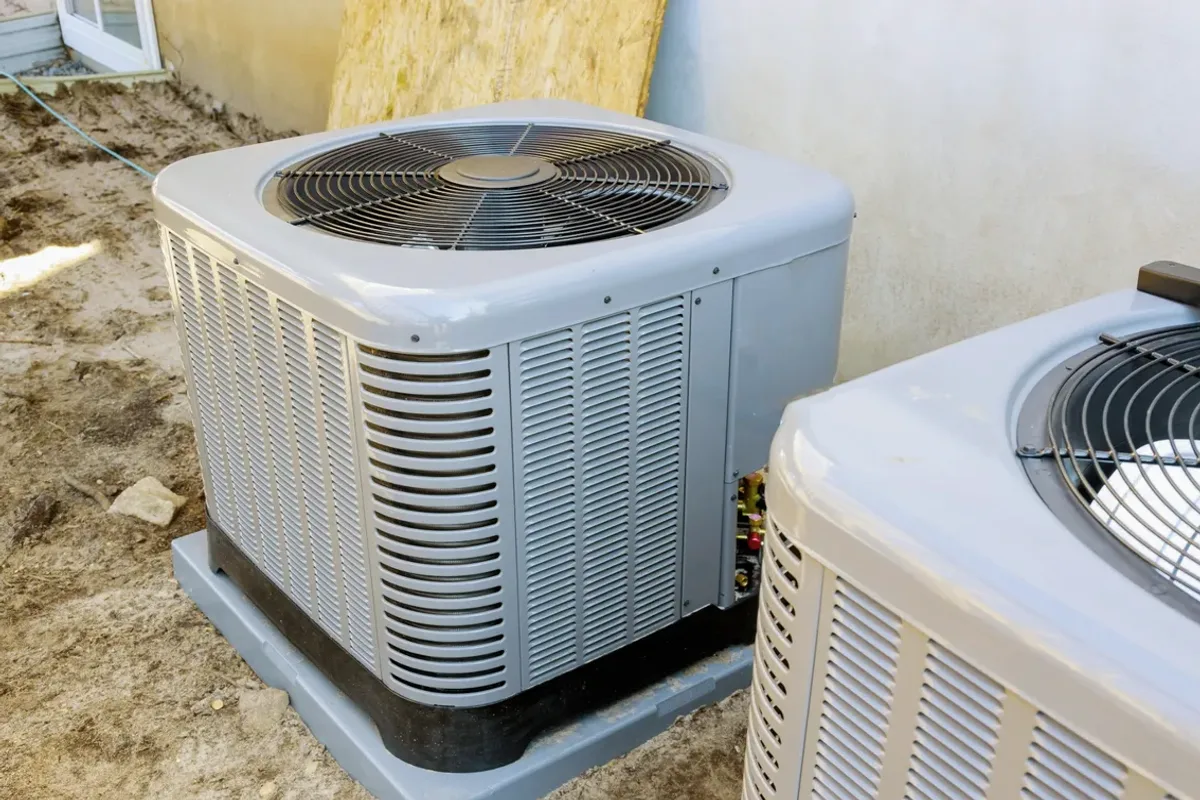
Is the cooling problem affecting a central system, a ductless head, or both?
Warm air, short cycling, water at a ductless indoor unit, or cooling that stops unexpectedly can have different causes in central air and ductless systems. Diagnosis may involve airflow, coils, refrigerant circuit operation, electrical components, drainage, or controls, with system design determining which checks apply. A frozen coil or continuous operation is a symptom, not a diagnosis. Inspection findings help separate a repairable fault from extensive equipment deterioration and clarify whether repair or replacement should be considered.
Record which equipment is affected, when the symptom occurs, whether cooling stops completely, and whether there is visible water or ice. The assessment can compare those details with airflow, coil condition, drainage, electrical operation, controls, and refrigerant-circuit findings. Central ductwork and inverter-driven ductless equipment require different diagnostic paths, so identifying the system type helps define the work involved.
Central air cooling and duct airflow
Ductless heads, inverter systems, and drainage
Coil, refrigerant-circuit, electrical, and control diagnosis
Assessment and Scope
Questions for the Proposed Work
01
Central air and airflow symptoms
For central air, warm supply air or a coil that freezes can relate to restricted airflow, coil condition, refrigerant-circuit operation, or a control or electrical fault. Duct restrictions may also affect cooling even when the outdoor unit runs. Inspection findings should distinguish an equipment fault from an airflow problem in the distribution system, because the repair scope differs. Refrigerant handling and internal electrical checks belong with qualified service procedures, not homeowner troubleshooting.
02
Ductless heads, drainage, and inverter operation
A ductless indoor head that drips, cycles frequently, or loses cooling range needs checks suited to its model and inverter-driven outdoor equipment. Drainage, filters and airflow, coil condition, sensors, controls, and refrigerant-circuit operation may be relevant, but the symptom alone does not identify the failed part. If the system also provides heating, findings in cooling mode should be considered alongside its operating history and manufacturer guidance before defining a broader repair.
03
Maintenance findings and replacement decisions
Inspection can include filters and grilles, accessible coils, drainage, electrical components, and airflow; central systems may also require duct or static-pressure evaluation when the symptoms point there. Maintenance should follow manufacturer instructions and observed conditions, not an assumed schedule of repairs. If testing finds a major failure in aging equipment, compare repair scope with replacement options. A diagnosis should explain the fault and the condition of the system before either path is selected.
Compare the next step
Agree on the sequence for any cooling-line, drain, coil, or outdoor-unit changes. Ask what testing must happen before routes are concealed and what access remains afterward. State who restores walls or landscaping and when the system can return to service as other renovation trades finish their work.
Do not open electrical panels or handle refrigerant. If ice, water near electrical equipment, or abnormal operation is present, stop using the affected system and request an assessment.