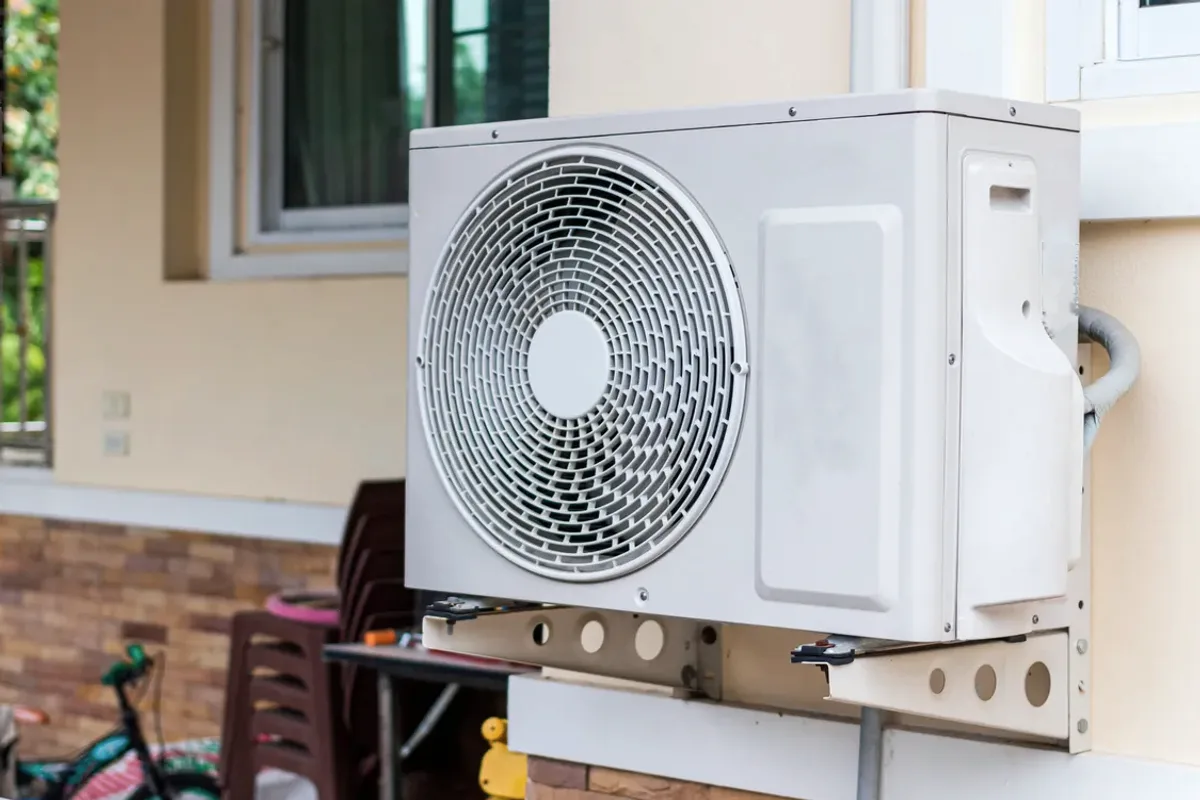
Request heat pump repair & installation for a property in Lakeshore. Include the equipment, the problem or planned work, and your location so the request can be reviewed.
Does the heat pump fail in heating mode, cooling mode, or both?
A heat pump that fails to heat, cools unevenly, runs continuously, or makes an unusual sound requires diagnosis suited to its model and operating mode. Repair checks may involve electrical components, coils, refrigerant-circuit operation, airflow, controls, or the defrost cycle. Installation is a separate decision requiring a review of the property’s heating and cooling needs and equipment compatibility. Inspection findings, service history, and the nature of the fault help determine whether repair or replacement should be considered.
Record the operating mode, symptom, timing, and whether the system changes between heating and cooling as expected. An assessment can compare those details with airflow, controls, electrical operation, coil condition, refrigerant-circuit findings, and defrost behavior where applicable. For installation planning, the existing equipment, distribution system, and intended use also matter. These findings define whether the request concerns repair, replacement, or a separate installation project.
Heating and cooling faults in heat pumps
Electrical, coil, refrigerant, and defrost diagnosis
Maintenance and heat pump installation planning
Assessment and Scope
Questions for the Proposed Work
01
Diagnose faults by operating mode
A heat pump that does not heat may involve controls, airflow, electrical operation, or defrost behavior; weak cooling can require a different set of checks. Noise or uneven operation also needs interpretation in the context of the model and current mode. A fault such as a failed capacitor is not equivalent to a leaking coil or compressor problem, so testing should identify the cause before repair is chosen. Refrigerant and internal electrical work require appropriate service procedures.
02
Plan replacement around the existing system
Replacing a heat pump calls for review of the equipment being removed, the heating and cooling requirements, and compatibility with existing controls and air distribution. Where a ductless system serves particular rooms, the proposed replacement must account for those zones and their connections. Selection should follow an assessment of the property and system, not a generic capacity assumption. A new installation also has different routing and placement considerations from a like-for-like replacement.
03
Maintenance and repair-versus-replacement findings
Manufacturer guidance and inspection findings determine maintenance needs, which may include checking airflow, filters, coils, electrical connections, and defrost operation as applicable. Such checks are distinct from repairing a confirmed fault. Repair may suit a localized, correctable problem, while extensive component failure or broader deterioration can make replacement worth comparing. Equipment age alone does not decide the outcome; the diagnosed condition, service history, and scope of the proposed work matter.
Compare the next step
Agree on a mechanical design before the renovation closes access to ducts, controls, and wiring. Ask which contractor owns each interface and what happens if the planned envelope work changes. Record the final equipment models and commissioning sequence after the related construction and electrical work are complete.
Cold-climate capability does not prove that one model covers every home heating load. Ask how the selected equipment and supplementary heat meet the actual design requirements.