Furnace trouble has a way of compounding. The part that rattles today wears the part beside it tomorrow, and the repair bill grows with every week of waiting. Here is a look at the five signs that your system is asking for attention, what each one means in plain terms, and what it is likely to cost you if nobody answers it.
Getting a Straight Answer
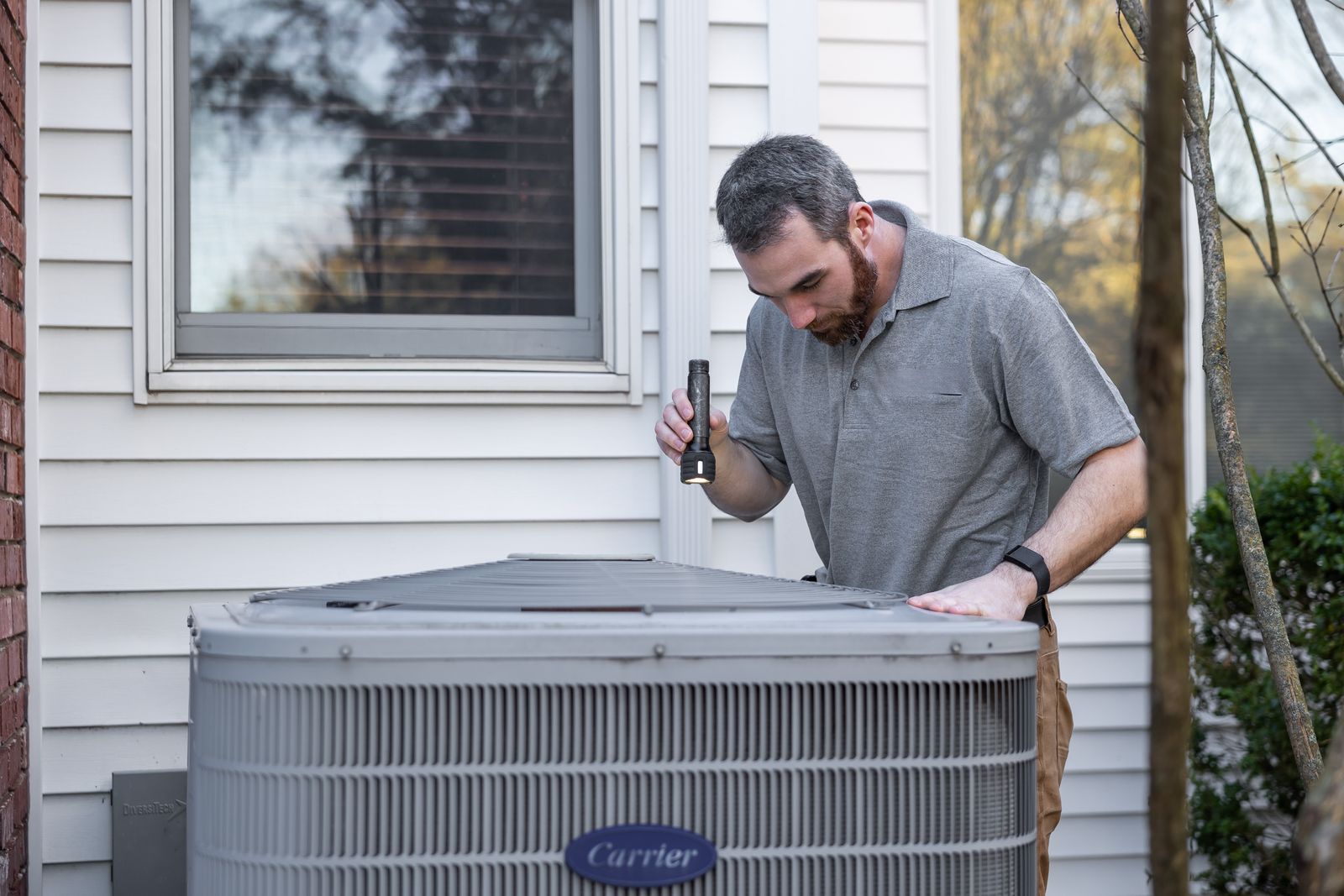
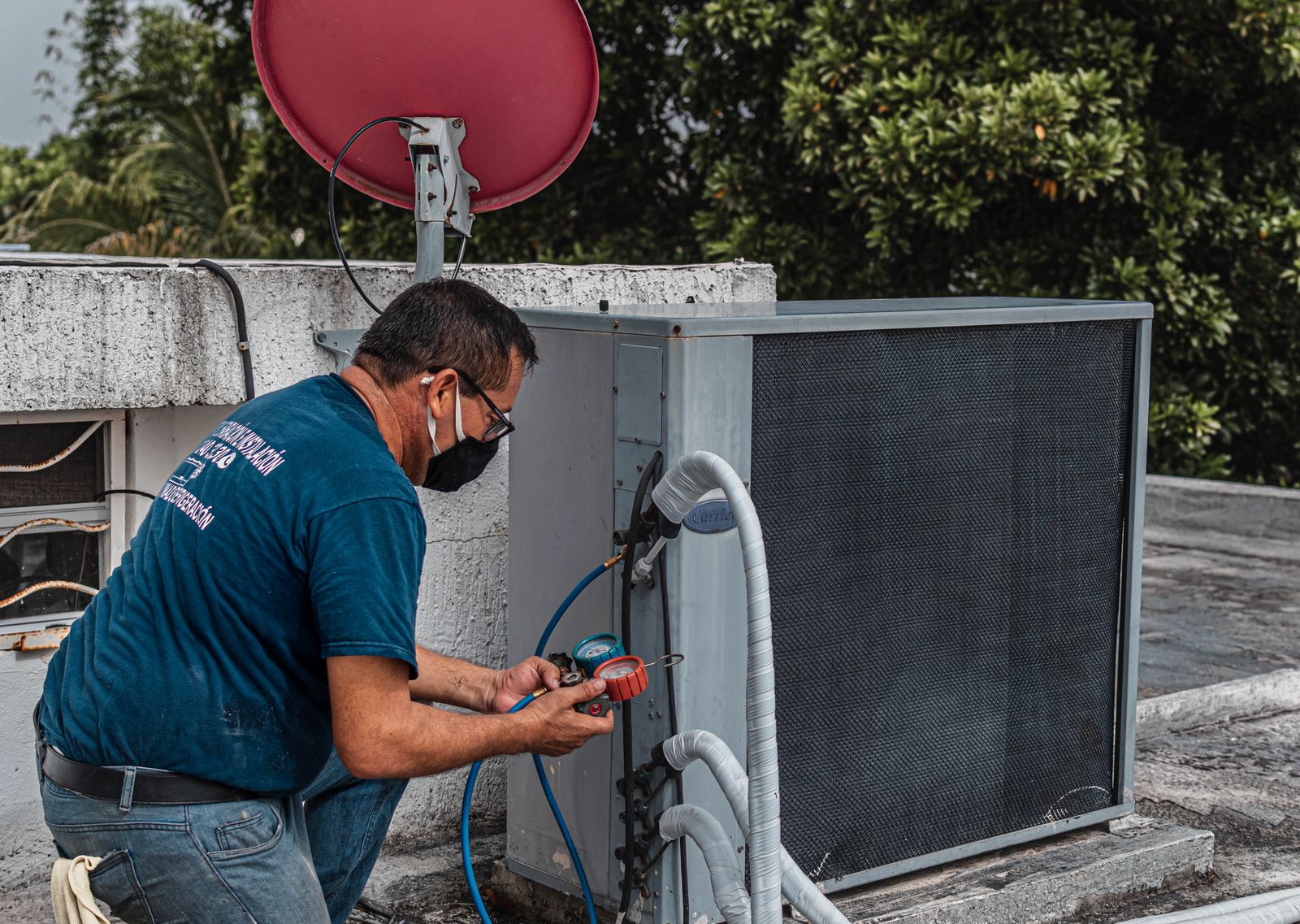
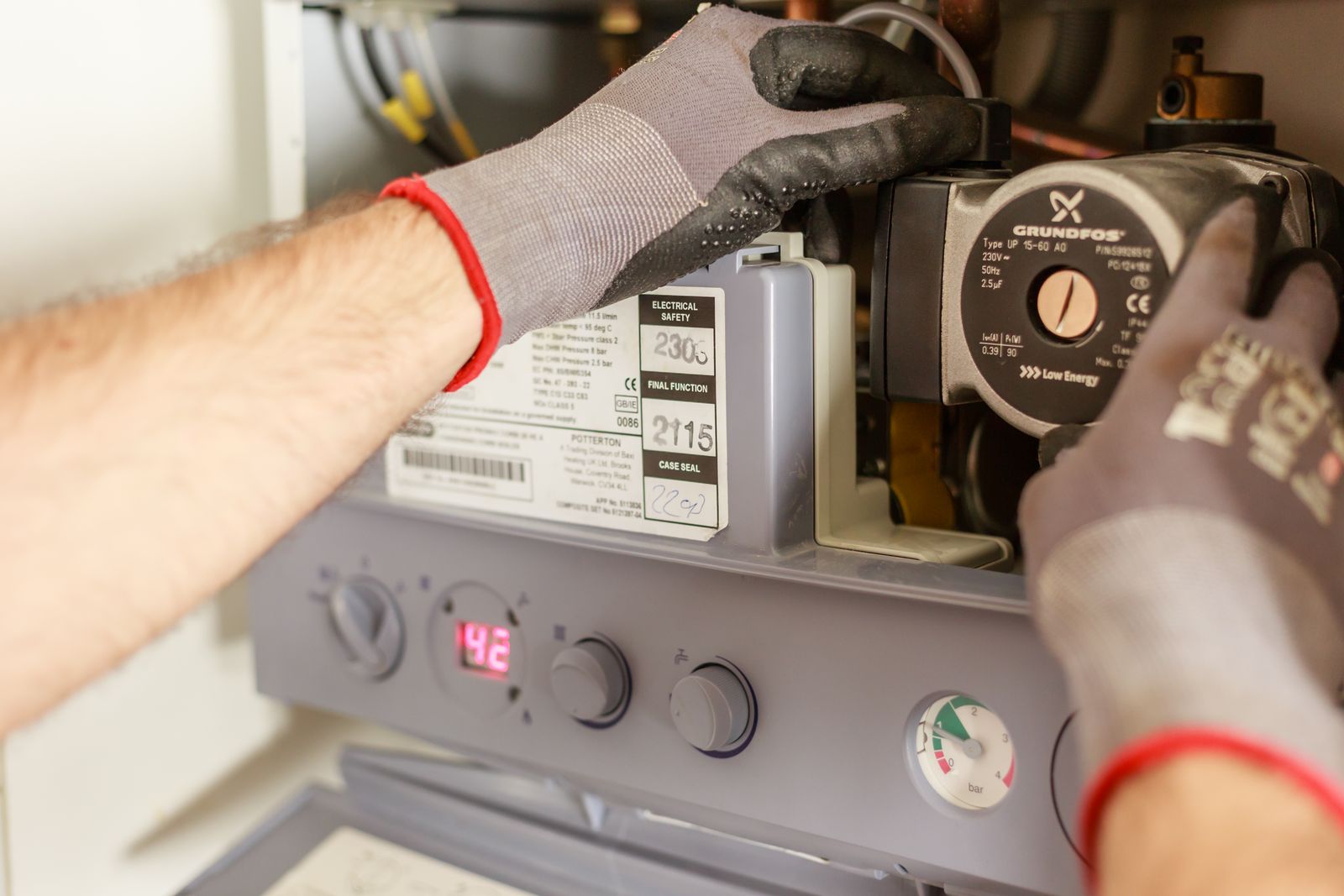
When you book a diagnostic, the technician arrives equipped to test rather than guess: combustion readings, static pressure for airflow, thermostat and limit switch checks, and a visual inspection of the heat exchanger. The visit ends with findings in plain language and a prioritized list, so you know what is urgent, what can wait and what it costs before agreeing to anything.
Feel the Vents, Not Just the Rooms
Weak airflow at the registers. On a heating day, supply vents should push a steady, noticeable stream of warm air. A trickle suggests a clogged filter, blocked or leaking ducts, or a blower motor losing strength, and the rooms furthest from the furnace feel it first. Uneven heating follows. One thermostat cannot fix rooms that receive different shares of the air, so the furnace runs longer chasing the setpoint while the cold rooms stay cold. Both problems compound quietly until a seasonal inspection measures what the system is actually moving.
Run Longer, Start More, Pay More
Sudden bill spikes deserve an audit, not a shrug. Pull the last two winters of gas bills and match the months. A jump in similar weather points to lost efficiency in the furnace itself, from dirty burners and clogged filters to ducts that leak heated air into unheated spaces. Frequent on-off cycling makes it worse. Short cycles never let the system reach steady operation, so fuel goes to starting rather than heating, and the igniter and controls accumulate wear with every restart. Fixing the cycling cause often claws back a noticeable slice of the bill the same season.
Here is the honest version of the cost question: a repair booked at the first sign is a routine service call at routine rates, scheduled on your terms. A repair booked after the furnace quits is an emergency call, with emergency pricing and a wait behind every other no-heat home in town.
Listen to How It Runs
Strange noises during startup or run cycles. A healthy furnace is close to quiet, so new sounds deserve attention. Screeching or grinding usually points to blower motor bearings or a worn belt, and metal-on-metal wear gets worse fast. Rattling often means a loose panel, screw or duct part vibrating with the blower. Repeated clicking at ignition suggests a flame sensor or ignition problem. None of these sounds fix themselves, and each one names the part likely to fail next.
The Sign That Should Stop Everything
A yellow pilot flame. Blue means clean combustion. Yellow or orange means fuel is not burning completely, a combustion problem with a carbon monoxide risk attached, since a flame that cannot finish its burn can leave CO where it does not belong. Do not wait for a convenient appointment window: stop using the furnace and get a licensed technician out promptly. Test that carbon monoxide alarms near the sleeping areas work, treat any alarm event as a leave-the-house situation, and let a pro verify the burner, the venting and the heat exchanger before the system runs again.