An air conditioner that runs from breakfast to bedtime is not being heroic; it is being overloaded. During a humid Ontario summer, nonstop running is one of the first signs that something in the system or the house needs attention, and the sooner you decode it, the cheaper the fix tends to be.
Start With How an AC Actually Works
An air conditioner cools the air and removes moisture from it in the same breath. Ontario summers supply plenty of both heat and humidity, which is why a system that feels fine in June can fall behind by late July. It is rarely a sudden failure; it is a load problem, and load problems come from a handful of common sources.
Moisture is the part people forget. In a humid climate, dehumidifying is the difference between a house that reads cool and a house that feels comfortable, so it deserves a closer look.
The Dirt Problems: Filter, Coils, and Condenser
A clogged filter. Restricted airflow forces longer run times to reach the same thermostat setting. Dirty coils. Dust on the indoor and outdoor coils slows heat exchange, so the system moves less heat per cycle and compensates with extra runtime.
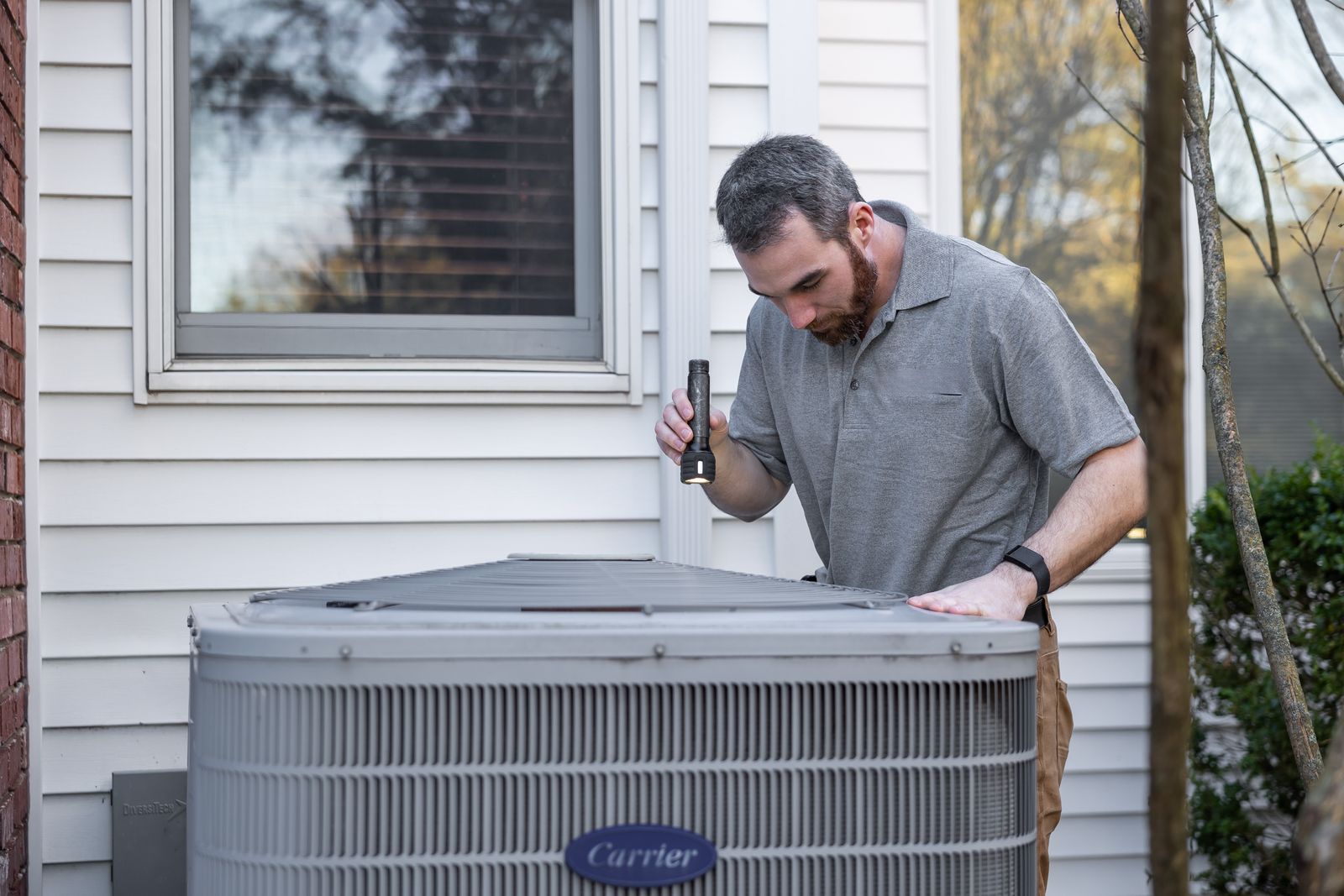
A blocked condenser. Debris crowded around the outdoor unit traps the very heat it is trying to dump, and the whole system slows to a crawl on the hottest days of the year.
A Quick Reference Before You Call
Sticky air, good temperature? Think dehumidification and long cycles. Weak airflow everywhere? Filter or blower. Ice on the lines? Refrigerant or airflow; turn the system off and call for service. Runs all day? Size, age, or house leaks.
The Equipment Issues
An aging unit. Capacity fades with age, and a system that once handled humid heat easily now runs all afternoon, especially once the weather turns muggy. An undersized unit. If the equipment was never matched to the home, it will fall behind every summer no matter how well it is maintained. Both issues often get misread as a maintenance problem, which is why testing beats guessing: a technician can measure capacity directly instead of assuming.
The Hidden Losses Behind the Bill
Low refrigerant. A leak reduces the amount of heat each cycle can carry away, stretching cycles across an entire season. Air leaks and thin insulation. Every gap that lets warm, humid air into the house is work your AC pays for twice, once to cool that air and once to dry it.
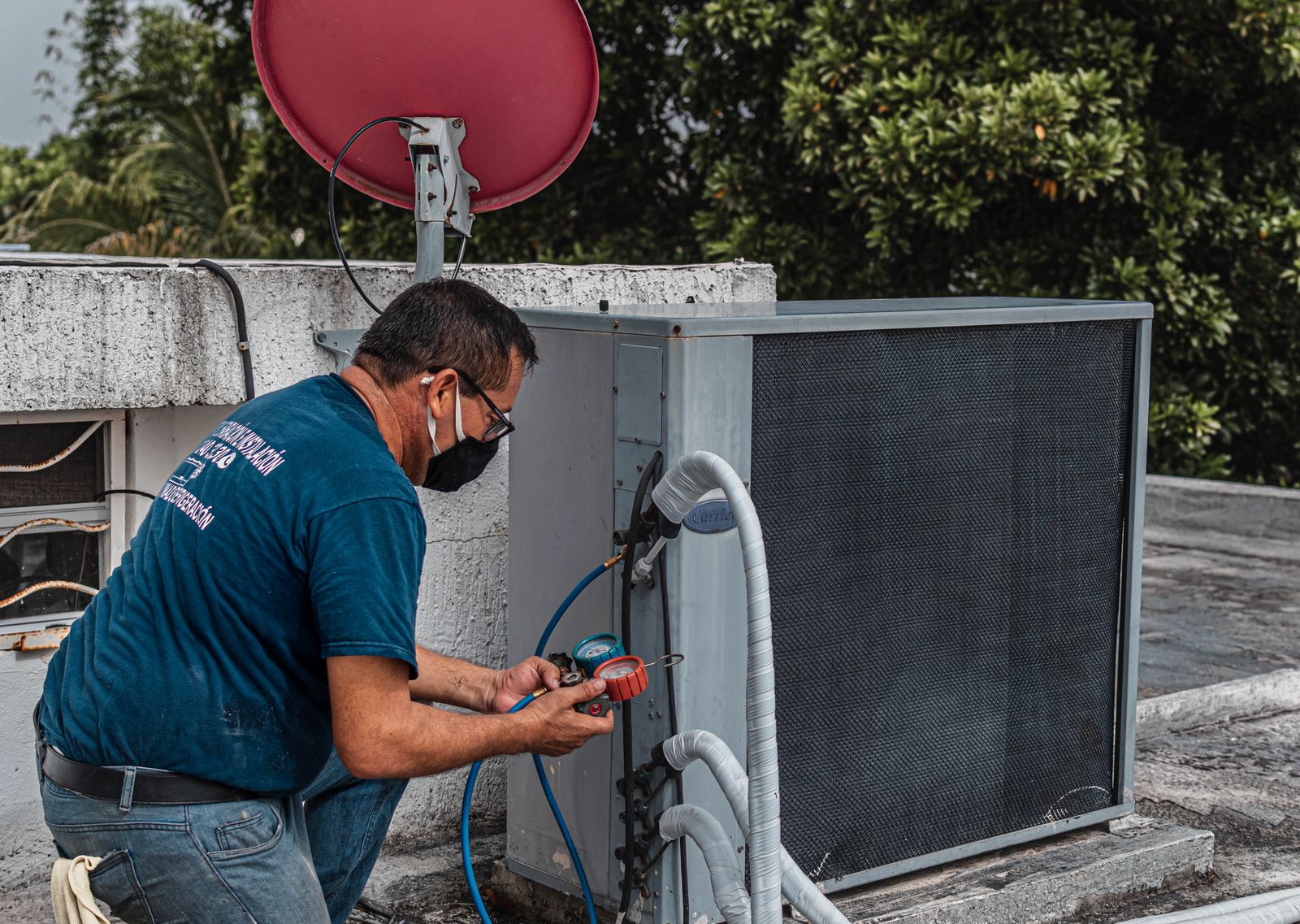
A professional service visit targets both: a refrigerant charge check with leak testing, plus an honest look at whether the house, not just the equipment, is where your hydro dollars are leaking out.